Anti inflammatory drugs
NSAIDs
Anti inflammatory drugs, also known as NSAIDs, have some very serious side effects.
In principle chiropractors are not against the use of NSAID drugs. But, they have awesome side-effects. Some of these medications such as ibuprofen are available over the counter, others only on prescription, for example Celebrex.
"Wonder
drug" Vioxx has been removed from your pharmacy shelves because of
increased risk of heart attack and stroke, and a host of other serious
bowel side-effects. It's now being described as the most dangerous drug in history. Could any medication be worse than Thalidomide?
Many of these medications prescribed for pain and inflammation also carry the risk of addiction, which can lead to the need for prescription drug rehab treatment.
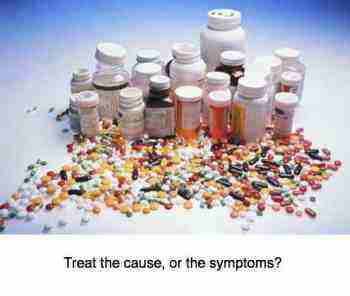
Rather, we believe in looking in looking to the cause of the inflammation. There are two important domains that you as a patient can consider. The first is to increase the movement in your joints and muscles. That means exercise, and chiropractic help adjustments of any fixations or subluxations.
Secondly, you can increase the natural anti-inflammatory effect of many foods; for example, change to extra virgin olive oil. It contains a natural NSAID called oleocanthal which also acts like a cox 2 inhibitor.
So too, many plant foods such as sweet basil contain natural anti-inflammatory compounds, in this instance the oil eugenol that gives our favourite herb its unique aroma.
So, in only five minutes, with a bit of practice, you can make pesto, a salad dressing made from olive oil and fresh basil leaves, and decrease the inflammation in your body naturally; it's all in the eugenol oil.
Nsaids are effective for pain relief and to reduce swelling, anti inflammatory. Non steroidal anti inflammatory drugs.
HOT: "The worst pain I've ever experienced."

Barbara Bush, eighty-three, was admitted to Methodist Hospital after experiencing pain she characterized as "worse than childbirth." After determining that she had a perforated ulcer, a life-threatening condition if not caught early, doctors performed a three-hour surgery early the next morning to patch a half-inch hole in her intestine.
Mrs Bush was fed intravenously initially, then she started a liquid diet. She will continue that diet at home for another week, her doctors said.
Doctors do not know definitively what caused Bush's perforated ulcer but believe it was the result of a chronic use of non-steroidal anti-inflammatory drugs such as aspirin and ibuprofen. Such painkillers hinder mechanisms that protect the gastrointestinal lining from digestive juices that can cause ulcers.
Mrs. Bush has had two hip replacement surgeries and back surgery and has battled arthritis.
Reardon, who called it an honor to take care of someone in the Bush family, said she is now on antacids and will not resume taking the anti-inflammatory drugs anytime soon!
Perforated ulcers occur when the ulcer burns through the stomach or small intestine, allowing bile and acid to spill into the abdominal cavity, causing a level of pain that Barbara Bush said was the worst she had ever experienced.
19% increase in heart failure
A ten year study, published in BMJ, identified 92,163 hospital admissions for heart failure. In comparison to 8 million patients with similar medical records they found that there was a 19% increased risk from taking nine commonly used anti inflammatory drugs, including diclofenac, naproxen and ibuprofen, and two COX 2 inhibitors.
Some like ketorolac carried an 83% increased risk of heart failure.
What's more this was independent of any previous heart failure status. At high doses there was double the risk.
“If anybody says he can think about quantum problems without getting giddy, that only shows he has not understood the first thing about them.”
Niels Bohr
Anti inflammatory drugs
Anti inflammatory drugs are widely used for the treatment of inflammation and swelling but Chiropractic help seeks to address the cause of the oedema.
There are alternatives to taking NSAIDS for arthritic and painful joints. Like visiting your chiropractor to prevent immobilisation arthritis, enjoying anti inflammatory foods like olive oil and sweet basil, and regularly tucking into omega-3 rich fatty fish and freshly ground flax seeds.
How do NSAIDs work?
Medications that work to reduce inflammation come in two major categories:
Steroids (e.g. Cortisone) are a derivative of a natural hormone produced by the body. They have serious side effects and should only be used when all else has been tried.
Non-Steroidal Anti Inflammatory Drugs (NSAIDs) work to block an enzyme called cyclo-oxygenase (COX) that is critical in your body's production of prostaglandins. It is these prostaglandins that cause swelling and pain and, by reducing prostaglandins, NSAIDs help people with arthritis and joint pain.
But, and it's a big BUT, prostaglandins have a very important role to play in controlling the constriction of arteries. For example the arteries supplying the kidneys, the brain, the placenta ...
Prostaglandins also have a vital role in clot formation, and preventing bleeding. Limiting prostaglandins increases the risk of bleeding: haemorrhagic stroke. Particular when taking two or more so-called dual antiinflammatory drugs.
Side effects of Anti inflammatory drugs
Cortisone taken for any length of time has a very deleterious effect on bone strength. Taken for life threatening conditions like asthma it is justified, but for inflammation, other options should be considered.
The problem with NSAIDs is that these Prostaglandins also have other important functions in the body, one of which is to produce the mucus that lines the stomach. Around 12 000 people DIE every year in the USA alone from bleeding ulcers directly caused by NSAIDs which block the formation of that mucus, exposing the gastic lining to he very strong (ph<1) acid in the stomach. Mrs Bush was lucky.
A new generation of Anti inflammatory Drugs such as Celebrex, called COX-2 inhibitors, are believed to have less of an effect on the stomach, however they have had some serious side effects on the heart, and thus are only available on prescription. The do not necessarily give better relief of the pain and stiffness than ordinary NSAIDs.
In general, taking either for of these drugs for any length of time may have very serious side effects. Before you start taking NSAID medications of either type you should talk to your doctor. Be sure to let your doctor know about other medical problems you have, especially hypertension, asthma, kidney, or stomach problems. In addition, let your doctor know about other medications you may be taking, and if you have any known allergies to medications. For example, anti-depressants and NSAIDs have a negative additive effect on your stomach lining.
In chiropractic we rather look for the cause of your pain.
Some
NSAIDs have a so-called Anti-cholinergic side effect. They block the
transfer of information from one nerve to another causing memory loss, foggy brain, blurred vision ...
Read more about ANTICHOLINERGIC SIDE EFFECTS …
How ANTI INFLAMMATORY DRUGS cause heart problems...
NSAIDs increase blood pressure and, by reducing prostaglandins, they reduce the blood flow to your organs. If your arteries are already compromised because you are a smoker, or have high LDL's, the bad cholesterol, then...
Archives of Internal Medicine 2009; 169: 141-149
Medicine's own findings are:
- ALL anti-inflammatory drugs are associated with an increased risk for death.
- The risk is highest with Vioxx, Celebrex and Voltaren (Diclofenac)...
- the risk for hospitalization because of heart attack was highest for Naproxen (Aleve).
- Any NSAID use increases the risk of congestive heart failure and heart attack.
How ANTI INFLAMMATORY DRUGS cause eye problems
Researchers have found that cold and flu medication, especially multi ingredient formulations and nonsteroidal anti-inflammatory drugs (NSAIDs), along with allopurinol and carbamazepine, are "major causative drugs" for severe ocular complications in groups of people with the HLA-A and B genes, and others.
Of course, individuals only rarely know that they are carriers of the gene and are particularly sensitive to anti-inflammatory drugs.
Should you have a skin reaction, or of the mucosa lining the eyes, mouth or genitals, then you should consult your doctor immediately before continuing with the medication; Stevens-Johnson syndrome is extremely serious.
Cold medicine-related Stevens Johnson syndrome causing toxic epidermal necrolysis with severe ocular complications[2].
Anti inflammatory Drugs should definitely NOT be used if
- You are pregnant and are having
lower back pain ...
or if you are experiencing
groin or leg pain during pregnancy ...
- You are breastfeeding
- You have a history of stomach ulcers
- You are taking blood thinning medication
- You are also on anti-depressant medication.
ALTERNATIVES to anti inflammatory drugs and the iatrogenic illness they cause.
Rather, consider using ice as a topical treatment and
eating foodstuffs known for their anti-inflammatory properties on a daily basis. For more
about the benefits of olive oil,
click here for olive oil benefits.
Think too of a delicious
fish soup recipe,
chock a block full of proven anti-inflammatory foods like celery, jalapenos surprisingly, and olive oil.
It's recommended that we eat food rich in omega 3 oils at least twice a week. Mackerel, tuna and salmon are the best recognised but all cold water fish are good; they far a better alternative to dangerous anti inflammatory drugs.
One popular orthopaedic website states that Nsaids are not bad or unsafe medications. However, like any other medication, you should use caution when taking the medication. You be the judge.
Doctor caused disease, including chiropractic, is a major concern in the world today, with so called iatrogenic illness being the third most prevalent cause of death, after heart conditions and cancer.
According to Wikipedia, doctor caused disease is a major phenomenon, and a severe risk to patients.
A study carried out in 1981 revealed out that more than one third of illnesses in a university hospital were iatrogenic, nearly one in ten were considered major and, in 2% of the patients, the doctor caused disorder ended in death.
Complications were most strongly associated with exposure to medications.
In the United State alone, recorded deaths per year, in 2000:
- 12,000 unnecessary surgery
- 7,000 medication errors in hospitals
- 20,000 other errors in hospitals
- 80,000 nosocomial infections acquired in hospitals
- 106,000 non error, negative effects of drugs
Based on these figures, 225,000 deaths per year constitutes the third leading cause of death in the United States, after deaths from heart disease and cancer. Read more … from ANTI INFLAMMATORY DRUGS to IATROGENIC ILLNESS ...
"I love fish oils. As a clinician, I use fish oil for a lot of different things, mostly due to its anti-inflammatory properties."
- Dr Lynne Shinto, assistant professor at Oregon Health and Science University.
Why "chicken bones soup" is a must for arthritis sufferers
Research proves that the cartilage in chicken bones inhibits the
inflammation of arthritis. Don't throw your chicken bones away. They
make the most delicious soup, and they help reduce the pain of
arthritis. Win-win.
Gelatine powder ... the active ingredient for healing your cartilage.
Interaction with blood pressure medication
Researchers reporting in the Cleve Clin J Med[1] anti-inflammatory medication interferes with medication coadministered for high blood pressure which modifies the effects of renal prostaglandins resulting in increased hypertension and fluid retension.
This is a common concern in the obese with both knee arthritis and raised blood pressure.
Toscanini Celery Soup
The maestro was well known for his love of celery soup to calm his nerves before concerts. However, Toscanini Celery soup does much much more. Celery is a powerful anti inflammatory. Delic too.
Tennis Elbow
Anti inflammatory drugs have no place in the treatment of conditions like tennis elbow. Why? Because there is no inflammation. It's a misnomer that all these years we called it lateral epicondylitis. Research shows it should be epicondylosis. There is no inflammation. Read more about tennis elbow.
The way to address it is to stretch and use various techniques such as art on the affected wrist extensors, ice the affected tendons and to correct any subluxations in the lower neck, or first rib, and of the radial head in the elbow.
And of course, rest too is important.
Research just released in the medical journal Stroke, found in a study on 38,000 Taiwanese adults, that there was an increased risk of stroke by a factor of 20 to 260% from taking different anti inflammatory drugs.
This included all nsaids like aspirin and ibuprofen, celebrex, aleve, naproxen and diclofenac. The worst offender was oral toradol.
"The bottom line is that even common over the counter medications are real drugs that do have risks. He noted that people should not continue to take NSAIDs beyond the period of time recommended on the label without talking with their doctor first.
It's thought that NSAIDs other than aspirin may contribute to heart problems or stroke for a few reasons, including effects that may make clots more likely to form or may create spikes in blood pressure."
- Dr Elliott Antman from Harvard
Low Back Pain and Anti inflammatory drugs
New 2009 research conducted at the University of Washington, reported in the most prestigious spinal medical journal, Spine, that patients with low back pain are more than twice as likely to become chronically disabled if they first consult a medical doctor, than if they consulted a chiropractor. Read more about chronic low back and leg pain LATERAL DISC HERNIATION …
Warnings from Drugs.com about...
Anti inflammatory Drugs Vioxx
The manufacturer of Vioxx has announced a voluntary withdrawal of the drug from the U.S. and worldwide market. This withdrawal is due to safety concerns of an increased risk of cardiovascular events including
- heart attack and
- stroke
Notify your doctor immediately if you develop
- abdominal pain, tenderness, or discomfort;
- nausea;
- blood in your vomit;
- bloody, black, or tarry stools;
- unexplained weight gain; swelling or water retention;
- fatigue or lethargy;
- a skin rash; itching;
- yellowing of your skin or eyes;
- "flu-like" symptoms;
- unusual bruising or bleeding.
These symptoms could be early signs of dangerous side effects like a bleeding ulcer.
Worse... A Vioxx trial demonstrated that it was associated with an increased risk of cardiovascular events, leading to Merck's withdrawal of rofecoxib from the worldwide market in September 2004.
In October 2008, long-term follow-up findings were published; during a 1-year period of post drug observation, increased cardiovascular risk associated with rofecoxib use persisted after stopping treatment. (Archives of Internal Medicine (Dec 2010))
These findings raise concerns about long term risks incurred by individuals who had taken the drug.
Twelve good reasons to avoid long term (and even short term) use of anti-inflammatory drugs.
Hearing loss
"Regular use of aspirin, NSAIDs, and acetaminophen can increase the risk of hearing loss."
- WebMD
ANKLE FRACTURE
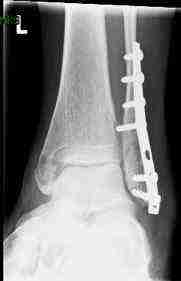
There are few of us, if you lead an active life, who escape the results of falls, pulled muscles, strained discs, broken bones that might sometimes need Anti Inflammatory Drugs, however use them with caution. They are potentially seriously dangerous, with side effects stretching from gastic bleeds to heart attack and stroke.
Ankle fracture is one condition that may lead to chronic NSAID use. Think rather chiropractic, once the bones have healed. ANKLE FRACTURE ...
Dr Weil's anti-inflammatory programme
1. Eat an anti-inflammatory diet. Focus on foods rich in omega-3
fatty acids, such as cold water, oily fish like salmon and sardines;
walnuts; and freshly ground flaxseeds. Spices like ginger and turmeric
can also help reduce inflammation. Flax seed nutrition information may be worth a read.
2. Eat foods
rich in antioxidants. Found in fresh vegetables and fruit, antioxidants
may help reduce tissue damage from inflammation. Also the natural anti inflammatory benefits in olive oil benefits.
3. Maintain a healthy weight. Losing just a few pounds can alleviate excess mechanical stress on joints. Free weight loss programs provides you with some ideas.
4. Avoid intense activities that can injure or strain the joint hyaline cartilage.
5. Get exercise. Performed at a level that does not stress joints, daily physical activity is the key to maintaining lifelong mobility; it strengthens surrounding muscles that support and protect joints. Swimming, stationary cycling and light weight training are good choices, as are stretching and balance exercises such as yoga and tai chi.
Aspirin for healthy older people
Few things scare me more; aspirin for healthy older people cause a 38% increased risk of intracerebral bleeding and no protection against stroke from a clot[3].
- Mental fogginess?
- Anticholinergic side effects ...
- Taking more than one NSAID? Aspirin and Brufin? DUAL ANTI-INFLAMMATORY DRUGS ...Dangerous!
- 9 free pain pills mistakes ...
When browsing these links use right click and "Open Link in New Tab", or you may get a bad gateway signal.
- Home
- Knee arthritis
- Anti Inflammatory Drugs
Did you find this page useful? Then perhaps forward it to a suffering friend. Better still, Tweet or Face Book it.
MONTHLY NEWSLETTER. Signed up yet? It is free.
BACK ISSUES
Chiropractic Help Backissues ... our monthly newsletter, click here for all the old issues.
- Issue #53: No short cuts to better health / Simple balance and quad strengthening exercises
- Issue #52: Needs an adjustment / Everything must change
- Issue #51: Elective surgery in the elderly / Cooling and reheating starches
- Issue #50: Make time for breakfast / Scrambled eggs and parsley
- Issue #49: Consulting a locum / Green salad /Eggs Florentine
- Issue #48: Hips and the sacroiliac joints/ Bacon and eggs
- Issue #47: Life without medication/ Eight coloured foods
- Issue #46: Lower backs and ankles/ kaempferol and cancer prevention
- Issue #45: Tingling, weakness and malaise/ vitamin B1
- Issue #44: Applying general chiropractic principles to the hand / Omega-3
- Issue #43: Art and science of chiropractic / Kale
- Issue #42: Tum sleeping / Flaxseed
- Issue #41: Adult potty training / Beetroot constipation
- Issue #40: Ominous lumbar signs / Too much medication?
- Issue #39: Swapping chiropractors / Butter is back
- Issue #38: Making a correct diagnosis / Make your own pesto in five minutes.
- Issue #37: Have your wisdom teeth out in the chair
- Issue #06: Safety on the Stairs / Ginger
- Issue #05: Safety in the home / Red foods
- Issue #04: Whiplash and the Joints of Luschka / Parsley
- Issue #03: How to stop falling / Danger of a low fat diet
- Issue #01: Tingling in the arms and hands / Apples
(PS. If you find them irrelevant to your needs or an exercise in tedium, one click will UNsubscribe you.)
- Home
- Knee arthritis
- Anti Inflammatory Drugs
